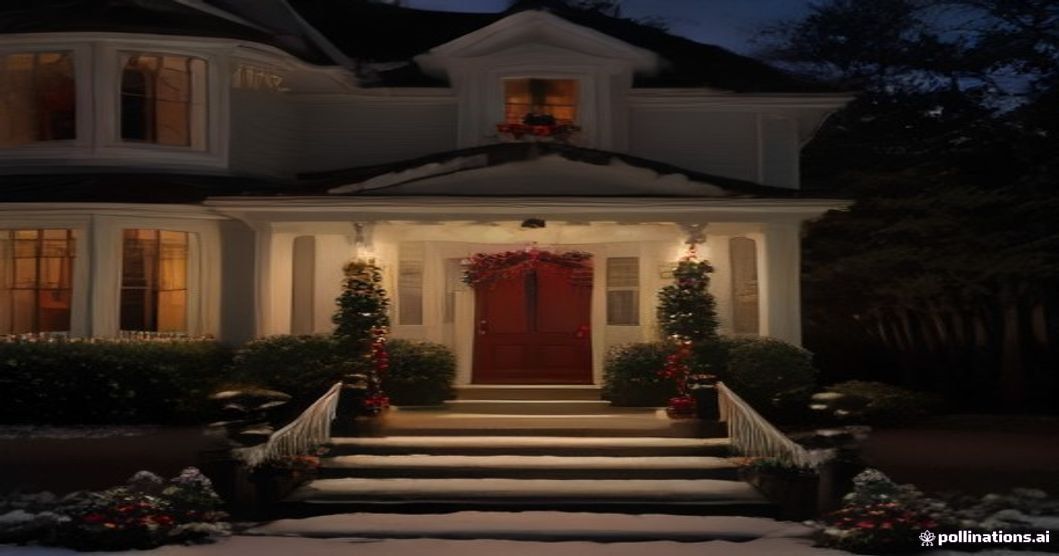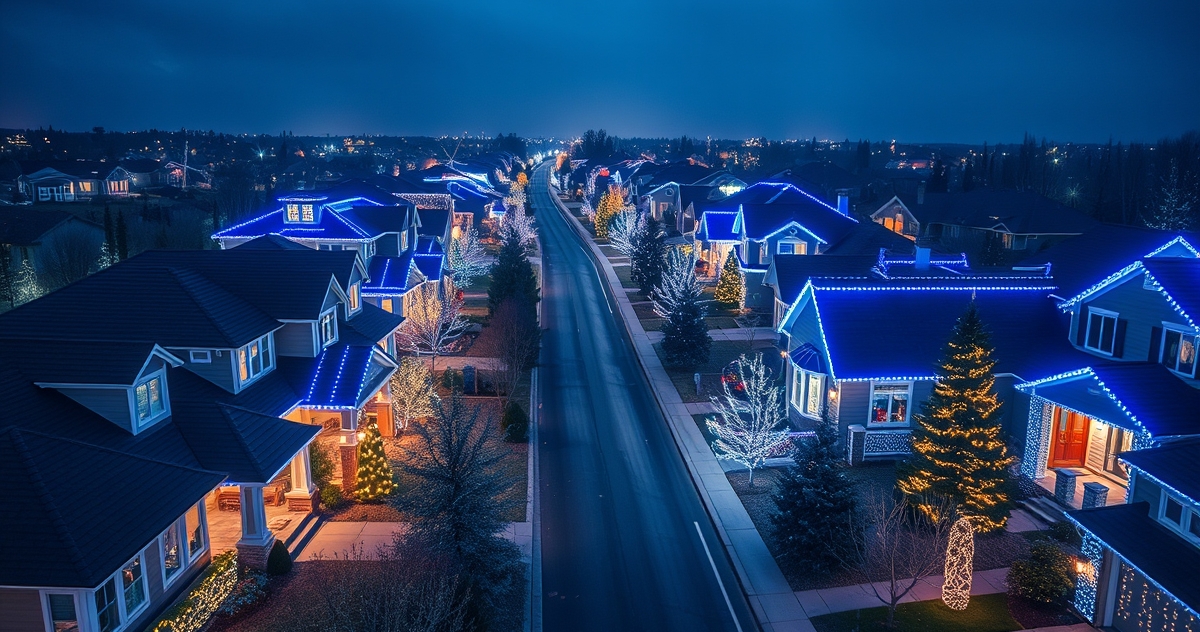

The morning mist rises over the Connecticut River Valley as homeowners across the Constitution State embrace a new era of environmental consciousness. This Earth Day, Connecticut properties are blazing a trail with eco-friendly LED lighting displays that prove sustainability and stunning beauty can coexist perfectly. From the colonial estates of Greenwich to the coastal cottages of Mystic, LED technology is revolutionizing how we illuminate our homes while protecting New England's pristine environment.
Gone are the days when dazzling holiday displays meant compromising environmental values. Today's advanced LED systems offer Connecticut homeowners the best of both worlds: breathtaking illumination and genuine ecological responsibility.
The LED Revolution: Transforming Connecticut's Carbon Footprint
The transformation from traditional incandescent to LED lighting represents one of the most significant environmental advances in home decoration. When you replace old-style bulbs with premium LED C9 bulbs along your Connecticut roofline, you're not just upgrading your display—you're making a powerful statement about environmental stewardship.
LED technology reduces energy consumption by 75-80% compared to traditional incandescent bulbs. For a typical Connecticut home with 500 C9 bulbs outlining the roofline and wrapped around mature maples, this translates to dramatic savings. Where traditional bulbs might consume 3,500 watts, LED C9 bulbs accomplish the same brilliant effect using just 700 watts.
Consider the seasonal impact across Connecticut's holiday lighting season, typically running from Thanksgiving through early January. A traditional display consuming 3,500 watts for 8 hours nightly over 60 days uses approximately 1,680 kilowatt-hours of electricity. The LED equivalent uses just 336 kilowatt-hours—a reduction of 1,344 kilowatt-hours per season.
This energy reduction directly correlates to decreased carbon emissions. Connecticut's electrical grid, while increasingly renewable, still relies partially on fossil fuels. By choosing LED efficiency solutions, homeowners can reduce their holiday lighting carbon footprint by over 1,000 pounds of CO2 emissions per season.
Sustainable Materials and Responsible Manufacturing
Modern eco-friendly LED lighting extends far beyond energy efficiency. Today's premium LED C9 bulbs and mini lights feature recyclable components and sustainable manufacturing processes that align with Earth Day principles.
Quality LED bulbs utilize recyclable polycarbonate lenses instead of traditional glass, reducing both manufacturing impact and shipping weight. The internal components—LED chips, circuit boards, and heat sinks—contain recoverable metals including aluminum, copper, and precious earth elements that can be reclaimed through proper recycling programs.
Connecticut homeowners increasingly choose green and white or cool white LED displays not just for their crisp, clean appearance, but because these color combinations use the most efficient LED technology. White LEDs achieve the highest lumens-per-watt ratios, maximizing light output while minimizing energy consumption.
Mini lights wrapped around Connecticut's native dogwoods, birches, and oaks offer another sustainable advantage. LED mini lights generate virtually no heat, eliminating the risk of damage to tree bark and branches that plagued older incandescent systems. This means your professional tree wrapping installations protect both your landscape investment and the environment.
Smart Technology Integration and Energy Monitoring
Connecticut's tech-savvy homeowners are embracing smart lighting systems that take environmental responsibility to the next level. Advanced LED displays now integrate with home automation systems, providing real-time energy monitoring capabilities that make sustainability measurable and actionable.
Smart controllers allow Connecticut homeowners to monitor exactly how much energy their holiday displays consume. You can track daily usage, compare seasonal totals, and optimize your display schedules for maximum efficiency. Many systems provide smartphone apps that display energy consumption in real-time, helping families stay within their environmental goals.
Programmable timers eliminate waste by ensuring lights operate only when needed. Instead of leaving displays on from dusk to dawn, smart systems can automatically adjust to Connecticut's changing sunset times throughout the season. As days grow shorter in November and December, your system adapts accordingly, maximizing visual impact while minimizing environmental cost.
Motion sensors and daylight sensors further enhance efficiency. Your green and white LED pathway lighting can activate only when guests approach, while roofline displays automatically shut off during Connecticut's frequent winter cloud cover when ambient light levels rise.
Recyclable Components and End-of-Life Disposal
Responsible Connecticut homeowners recognize that true environmental stewardship includes planning for product end-of-life disposal. Professional-grade LED lighting systems are designed with recyclability in mind, ensuring that today's beautiful displays don't become tomorrow's environmental burden.
LED bulbs contain no mercury or other hazardous materials found in some lighting technologies. When your LED C9 bulbs or mini lights eventually reach end-of-life—typically after 15-25 years of use—the components can be safely processed through electronic recycling programs available throughout Connecticut.
The aluminum heat sinks in quality LED bulbs are particularly valuable for recycling, as aluminum can be recycled indefinitely without quality degradation. Circuit boards contain recoverable metals, while the polycarbonate lenses can be reprocessed into new plastic products.
Many Connecticut municipalities now offer electronic waste recycling events specifically designed to handle LED lighting components. Professional installation companies also increasingly offer take-back programs, ensuring that upgraded lighting systems are properly recycled rather than discarded.
Connecticut's Green Building Movement and LED Integration
Connecticut's commitment to sustainable building practices extends naturally to landscape and architectural lighting. The state's green building initiatives encourage homeowners and businesses to consider the full environmental impact of their lighting choices.
LEED-certified homes throughout Connecticut increasingly specify LED lighting for both indoor and outdoor applications. The energy efficiency and reduced maintenance requirements of LED systems contribute valuable points toward green building certification. Residential installations that incorporate smart controls and energy monitoring can qualify for additional sustainability credits.
Connecticut's utility companies offer rebates and incentives for LED lighting upgrades, recognizing the beneficial impact on grid stability and peak demand reduction. During winter evenings when heating loads are highest, efficient LED holiday displays help reduce overall electrical demand, supporting grid reliability across New England.
Cool white LED displays have gained particular popularity among Connecticut's environmentally conscious homeowners. The crisp, clean light complements New England architectural styles while delivering maximum efficiency. When combined with smart controls and energy monitoring, cool white LED installations represent the pinnacle of sustainable holiday lighting.
Professional Installation for Maximum Efficiency
Achieving optimal environmental benefits from LED lighting requires proper installation techniques that maximize efficiency and longevity. Professional installers understand how to design systems that deliver spectacular results while minimizing environmental impact.
Proper electrical load calculations ensure that your LED display operates at peak efficiency without overloading circuits. Professional installers use commercial-grade connections and weatherproofing techniques that prevent energy waste through poor connections or moisture infiltration.
Strategic placement of LED fixtures maximizes light output while using fewer bulbs. Professional designers understand how to use reflection, architectural features, and landscape elements to amplify the visual impact of your eco-friendly display.
Quality installation also extends the lifespan of your LED investment. Professional-grade mounting systems protect bulbs from Connecticut's harsh winter weather, while proper electrical connections prevent premature failure that could necessitate early replacement.
Frequently Asked Questions
How much energy do LED holiday lights really save compared to traditional bulbs?
LED holiday lights typically use 75-80% less energy than traditional incandescent bulbs. For a typical Connecticut home display with 500 C9 bulbs, this means reducing consumption from about 3,500 watts to just 700 watts—saving over 1,300 kilowatt-hours per holiday season and preventing more than 1,000 pounds of CO2 emissions.
Are LED Christmas lights really better for the environment beyond energy savings?
Yes, LED lights offer multiple environmental advantages. They contain no mercury or hazardous materials, feature recyclable components including aluminum and copper, generate virtually no heat (protecting trees and vegetation), and last 15-25 years compared to 1-2 years for incandescent bulbs, dramatically reducing replacement waste.
Can smart LED lighting systems help me track my environmental impact?
Modern smart LED systems provide real-time energy monitoring through smartphone apps, allowing you to track daily and seasonal energy consumption. Many systems calculate carbon footprint reduction compared to traditional lighting and offer scheduling features that optimize efficiency based on Connecticut's seasonal daylight changes.
What happens to LED lights when they eventually need disposal?
Quality LED lights are designed for recyclability. The aluminum heat sinks, copper wiring, and circuit boards can all be recovered through electronic recycling programs. Connecticut municipalities offer e-waste recycling events, and many professional lighting companies provide take-back programs for proper component recycling.
Do LED holiday lights work well in Connecticut's harsh winter weather?
LED lights perform exceptionally well in cold weather, often becoming more efficient as temperatures drop. Unlike incandescent bulbs that can fail in extreme cold, quality LED C9 bulbs and mini lights are rated for Connecticut's winter conditions and maintain consistent performance throughout the season while using minimal energy.
This Earth Day, Connecticut homeowners have an unprecedented opportunity to combine environmental responsibility with stunning visual impact. LED technology has matured to the point where sustainable choices no longer require compromise—they deliver superior performance while protecting our beautiful New England environment. Whether you're planning a subtle cool white roofline display or an elaborate green and white landscape installation, professional LED solutions ensure your property shines brightly while treading lightly on the earth. Contact Holiday Lights Decor Connecticut to explore how eco-friendly LED installations can transform your property while honoring your environmental values.