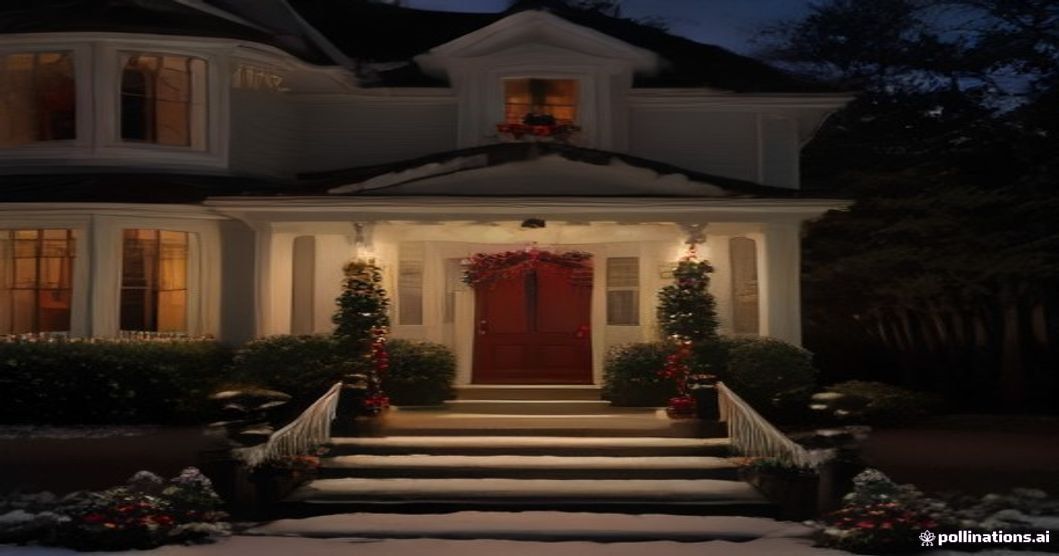
A Westport homeowner recently shared an eye-opening story: after switching from traditional incandescent C9 bulbs to LED holiday lighting across their colonial's roofline and landscape, their December electric bill dropped by $120. That's the power of the LED efficiency revolution transforming Connecticut's holiday lighting landscape.
While families across the Constitution State create magical winter displays, many are discovering that sustainable holiday lighting isn't just about environmental responsibility—it's about smart financial planning. The LED efficiency revolution has made it possible to create even more spectacular displays while dramatically reducing energy consumption and long-term costs.
The LED Efficiency Advantage: Real Numbers That Matter
The difference between traditional incandescent and LED holiday lighting becomes crystal clear when you examine actual energy consumption. A standard 25-foot strand of incandescent C9 bulbs consumes approximately 175 watts of electricity. The LED equivalent uses just 8.5 watts—a staggering 95% reduction in energy consumption.
For mini lights, the numbers are equally impressive. A 100-count string of incandescent mini lights draws 40 watts, while LED mini lights use only 2.4 watts for the same brilliant illumination. When you multiply these savings across an entire holiday display, the impact compounds dramatically.
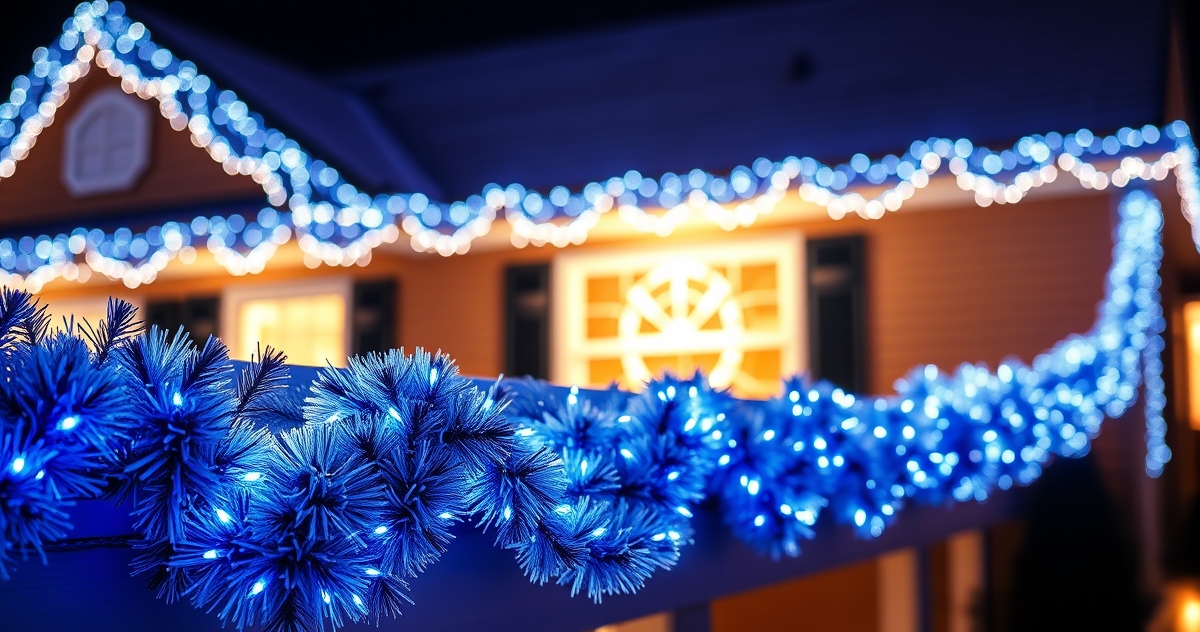
Connecticut families running comprehensive holiday displays—roofline C9 bulbs in warm white, mini light wraps on evergreens in cool white, and pathway lighting—can expect energy savings of 80-90% when switching to LED technology. For a typical Connecticut home with moderate holiday lighting, this translates to monthly savings of $50-150 during the display season.
Long-Term Cost Analysis: Why LEDs Pay for Themselves
The initial investment in LED holiday lighting pays substantial dividends over time. While LED C9 bulbs and mini lights carry higher upfront costs than incandescent alternatives, the total cost of ownership tells a different story entirely.
Consider a standard Connecticut roofline installation using 200 C9 bulbs. Incandescent bulbs cost approximately $1.50 each initially, while LED C9 bulbs average $3.50 each. The upfront difference of $400 seems significant until you factor in lifespan and energy costs.
LED C9 bulbs last 25,000-50,000 hours compared to 1,000-3,000 hours for incandescent versions. Over a typical 10-year period, homeowners replace incandescent bulbs 3-5 times while LEDs continue performing flawlessly. Factor in energy savings of $100-200 annually, and LEDs deliver net savings of $1,500-2,500 over their lifespan.
Mini lights show similar economics. A professional landscape installation using 2,000 mini lights in cool white might cost an additional $200 upfront for LEDs versus incandescent. However, annual energy savings of $80-120, combined with elimination of frequent bulb replacements, creates positive returns within 2-3 seasons.
Connecticut Utility Programs: Maximizing Your LED Investment
Connecticut residents have access to several utility programs and incentives that make the switch to LED efficiency holiday lighting even more attractive. Eversource and United Illuminating both offer rebates and energy efficiency programs that can offset initial LED costs.
The Connecticut Green Bank provides financing options for energy-efficient home improvements, including permanent outdoor lighting systems using LED technology. Many Connecticut municipalities also offer tax incentives for energy-efficient home upgrades, which can include permanent holiday lighting installations.
Homeowners working with professional residential lighting services often discover additional savings through bulk purchasing and contractor rebates. Professional installers maintain relationships with utility companies and can guide clients through available incentive programs, maximizing the financial benefits of LED conversion.
Some Connecticut utility companies offer special time-of-use rates that make LED holiday lighting even more economical. Since LEDs consume minimal electricity, homeowners can run displays for extended hours without triggering peak-rate penalties.
Environmental Impact: Connecticut's Sustainable Holiday Tradition
Beyond financial benefits, LED efficiency holiday lighting aligns with Connecticut's environmental leadership goals. The state's commitment to carbon neutrality by 2045 makes residential energy efficiency a crucial component of climate action.
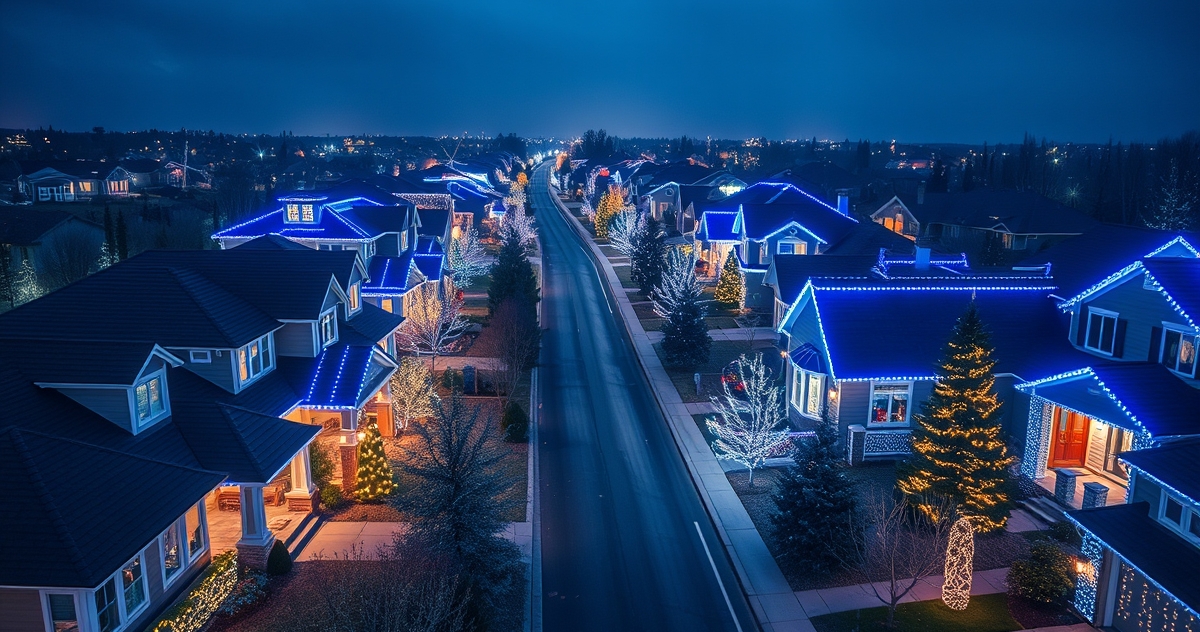
A typical Connecticut neighborhood with 50 homes switching from incandescent to LED holiday displays prevents approximately 25,000 pounds of CO2 emissions annually. That's equivalent to removing five cars from Connecticut roads for an entire year.
LED technology also eliminates the constant bulb replacement cycle that generates significant waste. Traditional incandescent holiday lighting creates tons of glass and filament waste across Connecticut each season. LEDs last decades, dramatically reducing disposal concerns and manufacturing emissions.
Connecticut's grid increasingly relies on renewable energy sources, making LED holiday lighting even more sustainable. When your display consumes 90% less electricity, more of that power comes from wind, solar, and other clean sources Connecticut utilities are embracing.
Professional Installation: Maximizing LED Efficiency Benefits
While LED technology offers impressive efficiency gains, proper installation and design maximize these benefits. Professional installers understand voltage requirements, circuit load management, and optimal spacing for LED holiday lighting systems.
Commercial holiday lighting projects particularly benefit from professional LED installation. Business districts across Connecticut are discovering that coordinated LED displays create stunning visual impact while keeping energy costs manageable for entire commercial zones.
Professional installers also understand Connecticut's unique climate considerations. LED lights perform exceptionally well in cold weather, maintaining full brightness and color consistency even during harsh New England winters. Proper installation techniques ensure LEDs withstand coastal storms, ice accumulation, and temperature fluctuations that challenge holiday displays.
Many professional services offer maintenance programs that keep LED systems performing at peak efficiency year after year. This includes cleaning connections, testing circuits, and replacing any failed components before they impact overall display performance.
Future-Proofing Your Holiday Display Investment
The LED efficiency revolution continues advancing, with smart controls and programmable features becoming standard options. Connecticut homeowners investing in LED holiday lighting today are positioning themselves for tomorrow's innovations.
Smart LED systems allow remote control, scheduling, and even integration with home automation platforms. Homeowners can optimize energy usage by automatically dimming displays during off-peak hours or shutting down sections when no one's around to enjoy them.
Color-changing LED technology is becoming more accessible, allowing single installations to display warm white for elegant winter ambiance, cool white for modern appeal, or multicolor patterns for festive celebrations. This versatility eliminates the need for multiple lighting systems and maximizes return on investment.
As Connecticut's utility grid becomes increasingly sophisticated with smart meters and demand response programs, LED holiday lighting positions homeowners to take advantage of future energy incentives and time-based pricing structures.
Frequently Asked Questions
How much can Connecticut homeowners save annually by switching to LED holiday lighting?
Connecticut homeowners typically save $100-300 annually on holiday lighting energy costs when switching from incandescent to LED technology. Larger displays with extensive C9 roofline lighting and mini light landscape features can generate savings of $200-500 per season. The exact savings depend on display size, local electricity rates, and hours of operation.
Do LED holiday lights work well in Connecticut's winter weather conditions?
LED holiday lights perform exceptionally well in Connecticut's cold winter climate. Unlike incandescent bulbs that can become brittle and fail in freezing temperatures, LEDs maintain consistent brightness and color quality even in sub-zero conditions. They also generate minimal heat, reducing snow melting and ice formation that can damage traditional lighting installations.
What utility rebates are available for LED holiday lighting in Connecticut?
Connecticut utilities including Eversource and United Illuminating offer various energy efficiency rebates that can apply to permanent LED outdoor lighting installations. While temporary holiday displays typically don't qualify for direct rebates, permanent year-round systems using LED technology may be eligible for $50-200 rebates depending on the program. Check with your utility provider for current incentive offerings.
How long do LED C9 bulbs and mini lights last compared to incandescent versions?
LED C9 bulbs and mini lights typically last 25,000-50,000 hours of operation, which translates to 15-25 years of normal holiday use. Incandescent holiday lights last 1,000-3,000 hours, requiring replacement every 1-3 seasons. This longevity difference eliminates frequent bulb shopping and reduces long-term maintenance costs significantly.
Can I mix LED and incandescent holiday lights in the same display?
While technically possible, mixing LED and incandescent lights in the same circuit can create electrical issues and uneven lighting effects. LEDs and incandescent bulbs have different power requirements and color temperatures. For optimal performance and safety, professional installers recommend converting entire sections or complete displays to LED technology rather than mixing technologies.
The LED efficiency revolution has fundamentally changed holiday lighting economics for Connecticut residents. With dramatic energy savings, extended lifespans, and environmental benefits, LED technology makes spectacular holiday displays both affordable and sustainable. Whether you're planning warm white C9 rooflines or cool white mini light landscapes, professional installation ensures you capture every efficiency benefit LED technology offers.
Ready to join Connecticut's sustainable holiday lighting revolution? Contact our LED specialists to discover how modern efficiency technology can transform your holiday display while reducing energy costs for years to come.