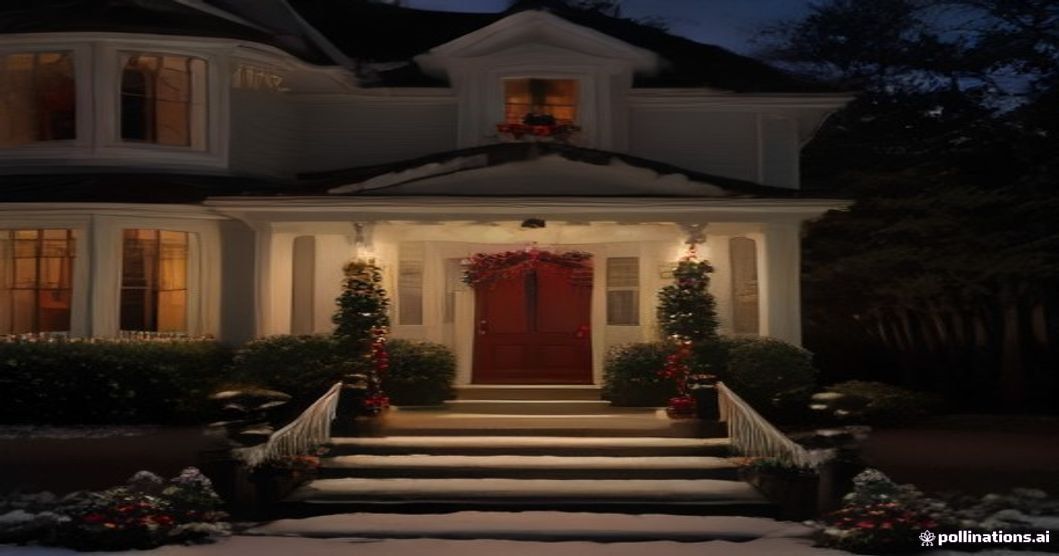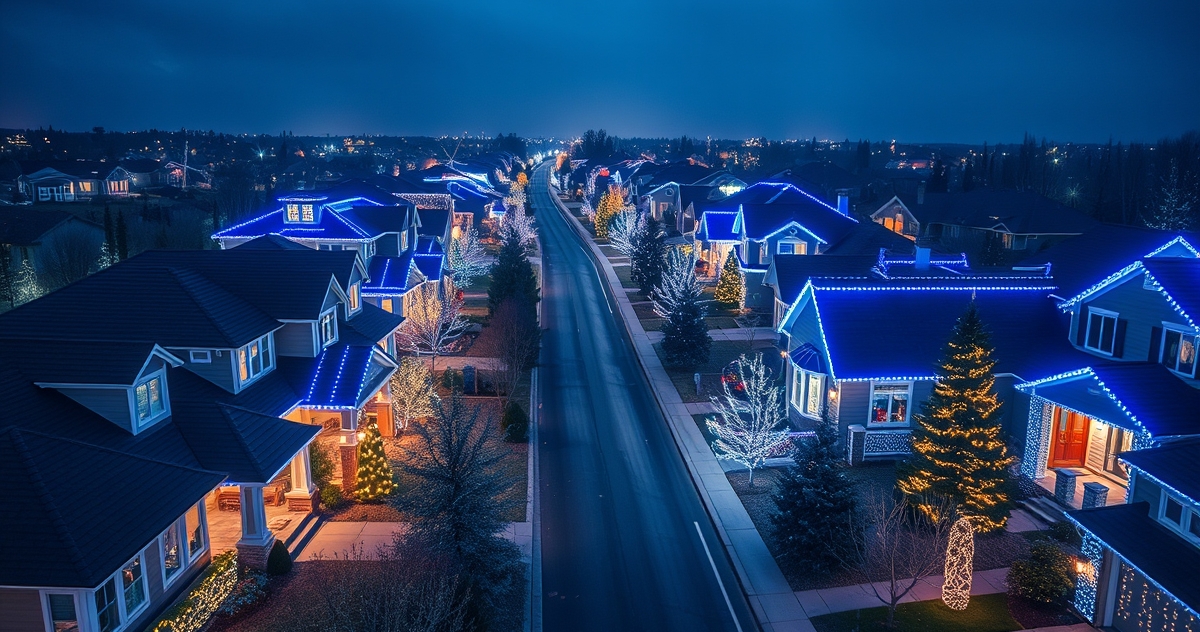
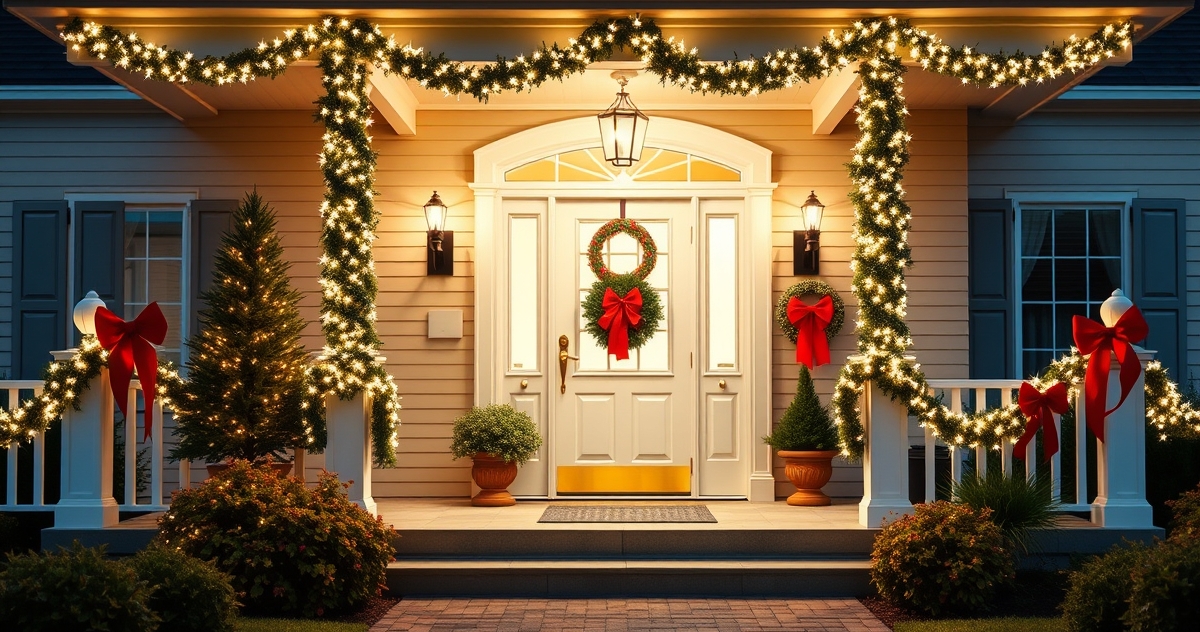
Picture driving through Greenwich on a December evening, past colonial homes transformed into glowing kaleidoscopes of red, green, blue, and gold. That's the magic of multicolor lighting displays — they turn Connecticut neighborhoods into enchanted wonderlands where every property tells its own festive story. From classic C9 bulbs creating bold roofline statements to delicate mini lights weaving rainbow patterns through evergreen branches, multicolor displays bring joy to communities across the Constitution State.
Understanding Multicolor Lighting Psychology in Connecticut Communities
Multicolor Christmas displays tap into something primal and joyful in the human spirit. Unlike the elegant restraint of warm white colonial lighting, multicolor schemes celebrate abundance and playfulness. In Connecticut's family-oriented neighborhoods, from Westport to Mystic, these vibrant displays become gathering points where children press their faces against car windows and families slow down to admire the spectacle.
The key lies in understanding your audience and setting. A stately Litchfield Hills estate might use multicolor C9 bulbs with sophisticated spacing and complementary landscaping, while a family home in New Haven could embrace full rainbow exuberance with mini lights cascading from every surface. Both approaches create magic — they just speak different visual languages.
Mastering Color Intensity and Balance in New England Settings
Connecticut's architectural landscape demands thoughtful color balance. Too many competing hues create chaos; too few miss the multicolor opportunity entirely. Professional installers follow the 60-30-10 rule: choose one dominant color family (60%), a supporting palette (30%), and accent colors for pop (10%).
For traditional New England homes, consider starting with classic Christmas red and green as your foundation, then adding warm gold and crisp white accents. Modern Connecticut properties can handle bolder combinations — perhaps electric blue and purple with silver highlights, or a full rainbow spectrum balanced with generous white space.
Weather plays a crucial role in color selection. Connecticut's early snowfalls provide a natural white backdrop that makes colors appear more vibrant. LED technology has revolutionized multicolor displays — modern C9 LED bulbs maintain consistent color temperature even in below-freezing conditions, ensuring your rainbow display looks as brilliant on Christmas Eve as it did at Thanksgiving.
Timing your color changes throughout the season adds another layer of sophistication. Start with warmer autumn tones in November — oranges, deep reds, golden yellows — then transition to full Christmas multicolor after Thanksgiving. Some Connecticut families program their displays to shift color emphasis nightly, creating a living, breathing rainbow that neighbors anticipate checking each evening.
Age-Appropriate Design Considerations for Connecticut Families
Different life stages call for different multicolor approaches. Young families with toddlers gravitate toward bold, primary color schemes that spark wonder and recognition. Think bright red C9 bulbs alternating with forest green along the roofline, complemented by mini lights in primary blue and yellow wrapping the front yard maple trees.
Families with school-age children often embrace the full rainbow spectrum. These displays become teaching opportunities — parents point out color patterns, count bulbs, and discuss the science of LED technology. Mini lights work beautifully for these installations because their smaller scale allows for intricate color patterns that hold children's attention.
Empty nesters and mature adults typically prefer sophisticated multicolor schemes. Deep jewel tones — emerald, sapphire, ruby, and amethyst — create rich, luxurious displays that feel festive without being juvenile. These installations often incorporate more complex design elements like color-coordinated garlands and precisely timed sequences.
Senior-friendly displays focus on visibility and comfort. Larger C9 bulbs in high-contrast color combinations — perhaps alternating red and white or green and gold — create displays that are easy to see and appreciate from indoor vantage points. Many Connecticut seniors enjoy watching their displays from warm living rooms, making visibility through windows a key design consideration.
Connecticut Community Event Applications
Multicolor lighting transforms Connecticut community events into magical experiences. Town squares from Guilford to Waterbury use professional multicolor displays to anchor holiday festivals and winter markets. These installations require different considerations than residential displays — they must handle larger crowds, more photography, and extended viewing periods.
Municipal installations often incorporate Connecticut's state colors and local school colors into their multicolor schemes. A town common might feature red, white, and blue sections honoring local veterans, transitioning into school colors to celebrate the community's educational pride. These displays become backdrops for thousands of holiday photos, making color accuracy and consistency crucial.
Commercial districts use multicolor lighting to extend shopping seasons and create destination experiences. Historic districts like Old Saybrook or Essex blend multicolor elements with period-appropriate design, using vintage-style bulbs in traditional color combinations. Modern shopping centers might employ programmable LED systems that shift colors throughout the evening, creating dynamic experiences that encourage longer visits.
Religious institutions across Connecticut use multicolor displays to welcome diverse congregations during interfaith celebrations. Synagogues might incorporate blue and white Hanukkah themes within broader multicolor schemes, while churches often use purple and gold during Advent before transitioning to full Christmas colors.
Professional Installation Techniques for Multicolor Success
Creating stunning multicolor displays requires more than stringing different colored bulbs together. Professional installers consider electrical load distribution — different color LEDs draw slightly different power levels, requiring careful circuit planning to prevent flickering or dimming.
Spacing becomes critical with multicolor installations. Random color placement creates chaos, while overly rigid patterns feel mechanical. The best multicolor displays use mathematical ratios — every third bulb changes color, or colors shift in Fibonacci sequences that feel natural and pleasing to the eye.
Layering different light types creates depth and visual interest. Start with multicolor C9 bulbs defining major architectural lines — rooflines, doorways, window frames. Add mini light layers in complementary colors wrapping landscape elements. Finally, introduce accent colors through garlands, wreaths, and decorative elements.
Professional-grade controllers allow for sophisticated color programming. Connecticut properties with custom design installations can synchronize colors to music, create color waves that move across the display, or program different color themes for different occasions. These systems transform static displays into dynamic experiences that neighbors anticipate throughout the season.
Maintaining Multicolor Magic Through Connecticut Winters
Connecticut's weather tests even the best multicolor installations. Ice storms can shift bulb positions, affecting carefully planned color patterns. Professional maintenance includes weekly color checks, ensuring that multicolor sequences remain consistent despite weather challenges.
LED technology has simplified multicolor maintenance significantly. Unlike incandescent bulbs that require color-matched replacements, LED systems often use RGB technology where single bulbs can display multiple colors. When bulb replacement becomes necessary, one LED unit can substitute for multiple colors in emergency situations.
Snow loading affects multicolor displays differently than monochrome installations. The visual weight of multiple colors can make snow accumulation more noticeable, requiring more frequent clearing to maintain the display's intended impact. Professional installers factor this into their maintenance schedules, particularly for prominent Connecticut properties that serve as neighborhood focal points.
Frequently Asked Questions
How many different colors should I use in a multicolor Christmas display?
Most successful multicolor displays use 3-5 colors maximum. Too many colors create visual chaos, while too few miss the multicolor impact. Classic combinations include red, green, and gold with white accents, or red, blue, and white for patriotic themes. Professional designers often start with traditional Christmas red and green, then add complementary accent colors based on your home's architecture and landscaping.
Are multicolor LED lights more expensive than single-color displays?
Multicolor LED installations typically cost 15-25% more than monochrome displays due to additional planning time and more complex electrical requirements. However, the impact and community appeal often justify the investment. Many Connecticut families find that multicolor displays become neighborhood destinations, making their homes focal points for holiday joy and community gathering.
Can multicolor lights work with traditional Connecticut colonial architecture?
Absolutely! The key is sophisticated color selection and professional installation. Instead of primary rainbow colors, consider jewel tones like deep emerald, ruby, and sapphire. Use multicolor C9 bulbs sparingly along major architectural lines, then complement with traditional warm white mini lights on landscaping. This approach maintains colonial elegance while adding festive multicolor accents.
When should I install multicolor Christmas lights in Connecticut?
Professional multicolor installations typically begin in mid-November across Connecticut. The complex color planning and electrical requirements need adequate installation time before the first major snowfall. Many families schedule multicolor installations for the week before Thanksgiving, allowing full enjoyment throughout the holiday season while avoiding December weather challenges.
Do multicolor displays use more electricity than single-color lighting?
Modern LED multicolor displays use virtually the same energy as monochrome installations. The perceived brightness of multiple colors might suggest higher energy use, but LED technology maintains excellent efficiency regardless of color output. RGB LED systems can even reduce energy consumption by dimming individual colors while maintaining overall visual impact.
Ready to transform your Connecticut property into a multicolor masterpiece? Professional installation ensures your rainbow vision becomes reality while protecting your investment in quality materials and expert craftsmanship. Contact Holiday Lights Decor Connecticut at (332) 333-1155 to discuss your multicolor lighting dreams — we'll help you create displays that bring joy to your family and community throughout the holiday season.