Nothing captures the magic of Christmas like the iconic glow of C9 bulbs outlining your Connecticut home's roofline. These classic large Christmas lights have been illuminating American homes since the 1920s, and today's LED versions offer Connecticut homeowners unprecedented color options, energy efficiency, and durability against harsh New England winters.
Whether you're planning your first professional residential holiday lighting display or upgrading from traditional incandescent bulbs, choosing the right C9 LED bulbs involves understanding color temperatures, energy efficiency, and how different styles perform in Connecticut's coastal storms and inland snow.
Understanding C9 LED Color Temperature: The Science Behind the Glow
Color temperature, measured in Kelvin (K), determines the mood and visual impact of your holiday display. Connecticut homeowners often struggle between warm and cool options, not realizing how dramatically different they appear against New England's colonial architecture and winter landscapes.
Warm White C9 LEDs (2700K-3000K) emit a soft, golden glow reminiscent of traditional incandescent bulbs. This temperature range complements Connecticut's historic colonial homes, Cape Cod styles, and traditional New England architecture. The warm light creates an inviting, cozy atmosphere that pairs beautifully with natural materials like cedar shingles and stone foundations common throughout Fairfield and Litchfield counties.
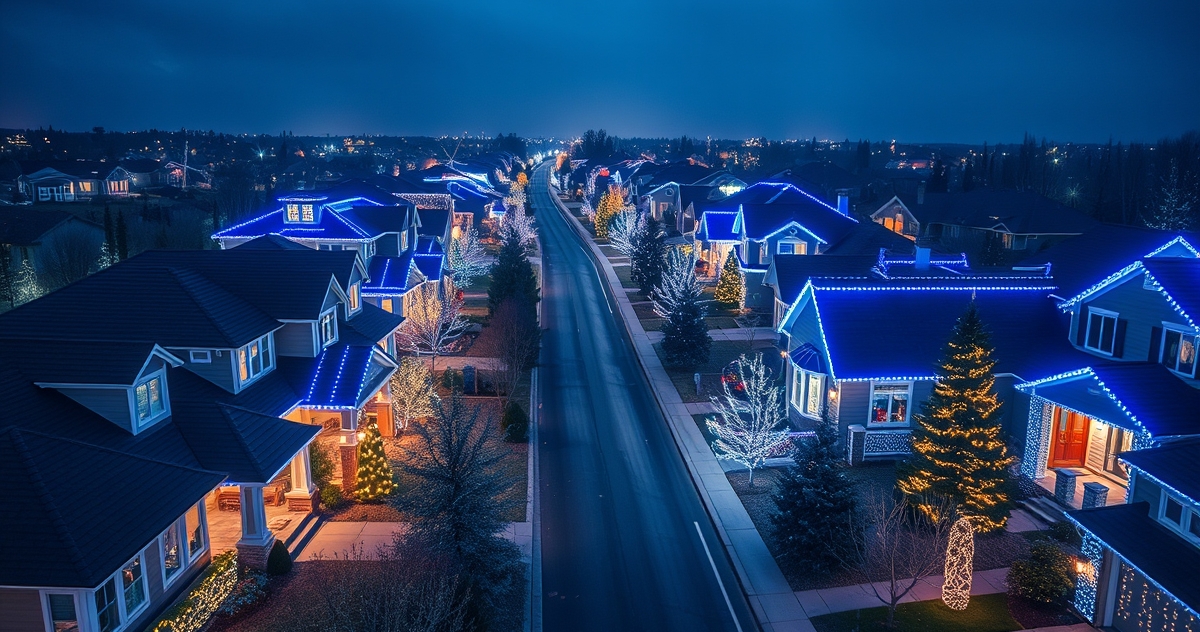
Cool White C9 LEDs (5000K-6500K) produce a crisp, bright white light that appears almost blue-white. This modern aesthetic works exceptionally well on contemporary Connecticut homes, commercial buildings, and properties where you want a clean, sophisticated look. Cool white C9s create stunning contrast against snow and complement modern materials like steel, glass, and painted trim.
The key difference becomes apparent at dusk. Warm white C9s blend harmoniously with interior lighting visible through windows, while cool white creates dramatic contrast. Many Connecticut homeowners in towns like Greenwich and Westport prefer warm white for its upscale, residential feel, while commercial properties often choose cool white for maximum visibility and modern appeal.
Multicolor C9 LED Magic: Traditional Christmas Charm
Multicolor C9 LED strings bring nostalgic Christmas joy to Connecticut neighborhoods. Today's LED multicolor sets typically include red, green, blue, amber, and sometimes purple bulbs in various combinations. Unlike the harsh, oversaturated colors of early LEDs, modern multicolor C9s offer rich, vibrant hues that maintain the classic Christmas aesthetic families remember.
Multicolor C9 displays work particularly well on Connecticut homes with children, creating that magical "Santa's workshop" atmosphere that transforms ordinary suburban streets into winter wonderlands. The varied colors provide visual interest and movement, especially when combined with professionally styled garlands and wreaths.
Consider multicolor C9s for:
- Family-oriented neighborhoods in towns like Simsbury or Madison
- Homes participating in neighborhood light tours
- Properties where tradition and nostalgia are priorities
- Displays viewed primarily by children and families
Professional installers often recommend starting with a warm white base and adding strategic multicolor accents rather than full multicolor strings, creating sophisticated displays that appeal to both adults and children.
Wattage and Energy Efficiency: Connecticut's LED Advantage
Connecticut homeowners see dramatic energy savings when switching from incandescent to LED C9 bulbs. Traditional incandescent C9 bulbs consume 5-7 watts each, while LED versions use only 0.5-1 watt per bulb while producing equal or superior brightness.
Consider a typical Connecticut colonial home requiring 150 C9 bulbs for complete roofline coverage:
- Incandescent C9s: 150 bulbs × 7 watts = 1,050 watts per hour
- LED C9s: 150 bulbs × 0.8 watts = 120 watts per hour
Running this display 6 hours nightly for 45 days (typical Connecticut holiday season from Thanksgiving through early January), LED C9s consume approximately 32 kWh compared to 283 kWh for incandescent bulbs. At Connecticut's average electricity rate of $0.22 per kWh, LED C9s cost about $7 to operate versus $62 for incandescent—a $55 savings per season.
Beyond cost savings, LED C9s offer additional Connecticut-specific advantages:
- Heat Generation: LEDs produce minimal heat, reducing ice dam risks on Connecticut rooflines
- Durability: LED bulbs withstand vibration from coastal winds and thermal cycling during Connecticut's freeze-thaw cycles
- Lifespan: Quality LED C9s last 25,000-50,000 hours compared to 1,000-3,000 hours for incandescent bulbs
- Dimming Capability: Many LED C9s work with dimmer controls, allowing subtle adjustments for different occasions
Connecticut Climate Considerations: Choosing Weather-Resistant C9 LEDs
Connecticut's climate presents unique challenges for outdoor Christmas lighting. From Long Island Sound's salt air affecting coastal properties to inland areas experiencing temperatures below zero, your C9 LED bulbs must withstand diverse weather conditions.
Temperature Ratings: Quality C9 LED bulbs function reliably in temperatures from -4°F to 140°F, covering Connecticut's typical winter range. However, cheaper LEDs may dim significantly or fail in extreme cold. Professional-grade C9 LEDs maintain consistent brightness even during January nor'easters.
Moisture Protection: Look for C9 LEDs with IP65 or higher ratings, meaning they're completely protected against dust and water jets from any direction. Connecticut's coastal humidity, winter precipitation, and spring melting require this level of protection for reliable operation.
UV Stability: Connecticut summers can be intense, and C9 bulbs left in storage or permanent installations must resist UV degradation. Quality LED bulbs use UV-stable plastics that won't yellow, crack, or become brittle after seasonal exposure.
Wire Gauge and Connections: Connecticut installations benefit from 18-gauge or heavier wire that won't become brittle in cold weather. Professional installers prefer C9 strings with replaceable LED modules, allowing individual bulb replacement without discarding entire strings.
Many Connecticut homeowners discover the importance of quality during their first winter installation. Professional installation techniques include proper weatherproofing, adequate support systems, and strategic placement that minimizes weather exposure while maximizing visual impact.
Color Combinations and Design Strategies for Connecticut Homes
Connecticut's architectural diversity—from Mystic's colonial charm to Hartford's modern developments—requires thoughtful C9 color selection. The most successful displays complement existing home features while creating focal points that enhance curb appeal.
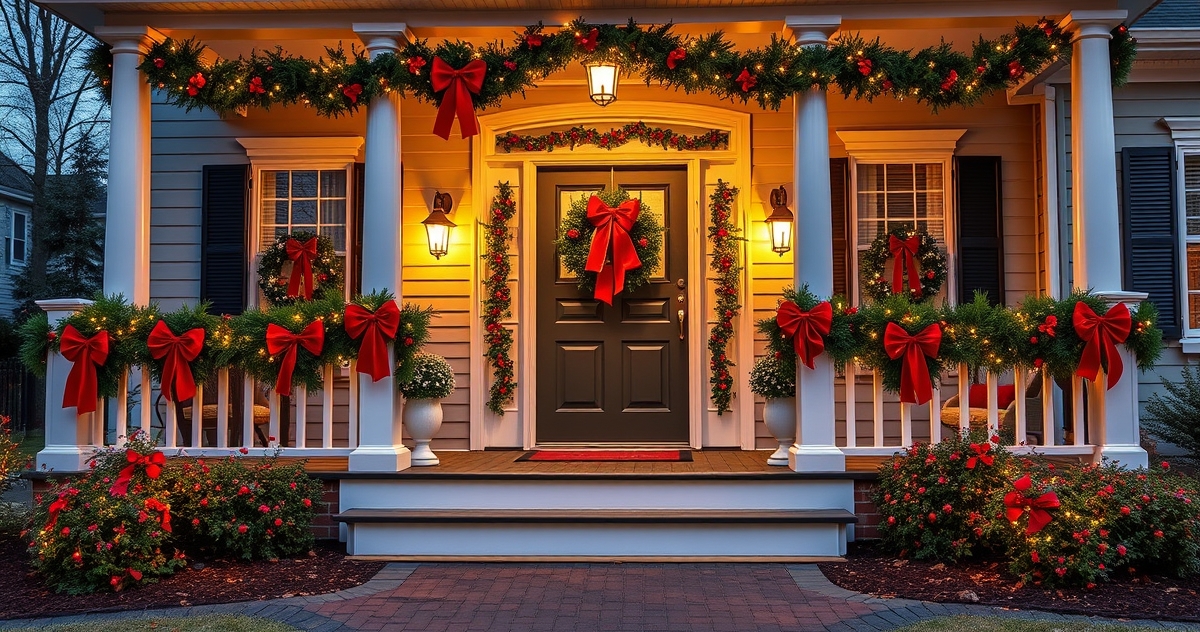
Classic Connecticut Colonial: Warm white C9s along the roofline with matching mini lights wrapping foundation plantings create timeless elegance. Add red velvet bows at key architectural points for traditional Christmas charm without overwhelming the home's historic character.
Modern Connecticut Contemporary: Cool white C9s provide clean lines that complement modern materials. Consider single-color schemes that emphasize architectural features rather than competing with them.
Coastal Connecticut Properties: Warm white or cool white C9s withstand salt air better than colored bulbs, which may fade more quickly. The monochromatic approach also complements the understated elegance preferred in seaside communities.
Family-Friendly Displays: Multicolor C9s create excitement for children while remaining tasteful for adults. Professional designers often use 70% warm white bulbs with 30% colored accents, maintaining sophistication while adding personality.
The most successful Connecticut displays integrate C9 bulbs with complementary elements. Mini light tree wrapping and strategic shrub lighting create layered displays where C9 roofline lighting serves as the primary focal point.
Installation and Maintenance Best Practices
Proper C9 LED installation ensures maximum performance and longevity in Connecticut's challenging climate. Professional installers understand that Connecticut's freeze-thaw cycles, coastal winds, and winter storms require specific techniques and materials.
Spacing and Layout: C9 bulbs typically install 12-15 inches apart along rooflines, creating even light distribution without dark spots. Connecticut's colonial homes often feature complex rooflines requiring custom spacing to maintain symmetry around dormers, gables, and architectural details.
Support Systems: Quality installation uses proper clips designed for Connecticut's weather conditions. Magnetic clips work well on steel gutters but may fail in extreme cold. Permanent clips screwed into fascia boards provide the most reliable support for seasonal installations.
Power Distribution: Professional installations calculate electrical loads to prevent overloading circuits. C9 LED strings typically handle 200-250 feet per run, much longer than incandescent versions, simplifying installation and reducing extension cord requirements.
Seasonal Maintenance: Connecticut homeowners benefit from mid-season checks, particularly after ice storms or high winds. LED C9s rarely burn out, but loose connections or damaged clips can create dark sections that diminish the overall display.
Many Connecticut residents discover that professional installation pays for itself through proper techniques, quality materials, and time savings. Professional holiday lighting services include design consultation, quality products, expert installation, seasonal maintenance, and complete removal and storage.
Frequently Asked Questions
What's the difference between warm white and cool white C9 LED bulbs for Connecticut homes?
Warm white C9 LEDs (2700K-3000K) produce a soft, golden glow that complements Connecticut's traditional colonial architecture and creates a cozy, inviting atmosphere. Cool white C9 LEDs (5000K-6500K) emit a crisp, bright white light that works well on modern homes and commercial properties. Warm white blends with indoor lighting, while cool white creates dramatic contrast against Connecticut's winter snow.
How much energy do C9 LED bulbs save compared to incandescent bulbs?
C9 LED bulbs use approximately 85% less energy than incandescent versions. A typical Connecticut home display using 150 C9 bulbs costs about $7 per season with LEDs versus $62 with incandescent bulbs, saving $55 annually. LEDs also last 10-25 times longer and generate minimal heat, reducing ice dam risks on Connecticut rooflines.
Can C9 LED bulbs withstand Connecticut's winter weather?
Quality C9 LED bulbs are designed for Connecticut's climate, functioning reliably from -4°F to 140°F. They should have IP65 or higher moisture protection ratings to handle coastal humidity, winter precipitation, and spring melting. Professional-grade C9 LEDs maintain consistent brightness even during severe nor'easters and coastal storms.
What's the best C9 bulb spacing for Connecticut colonial homes?
C9 bulbs typically install 12-15 inches apart along rooflines for even light distribution. Connecticut's colonial homes often feature complex rooflines with dormers and gables requiring custom spacing to maintain visual balance. Professional installers adjust spacing based on architectural details and viewing angles to create the most attractive display.
Should Connecticut homeowners choose multicolor or single-color C9 LED displays?
The choice depends on your home's style and personal preference. Multicolor C9 LEDs create nostalgic Christmas charm perfect for family-oriented neighborhoods and traditional displays. Single-color options (warm white or cool white) offer sophisticated elegance that complements Connecticut's upscale residential areas. Many homeowners prefer warm white as the primary color with strategic multicolor accents for balanced appeal.