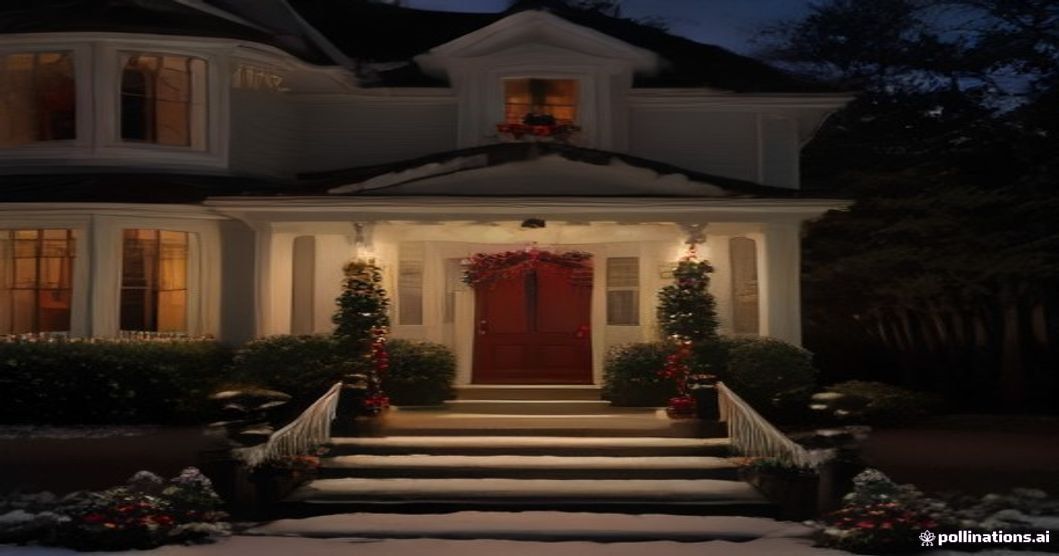
The white clapboard colonial stands majestically against the Connecticut evening sky, its symmetrical windows glowing warmly from within. Along the roofline, perfectly spaced warm white C9 LED bulbs create an elegant outline that honors the home's 250-year heritage while embracing 21st-century efficiency. This is the art of colonial home lighting in Connecticut — where respect for traditional architecture meets the practical benefits of modern LED technology.
Connecticut's colonial homes, built between the 1600s and 1800s, represent some of America's most treasured architectural heritage. From the historic districts of Old Saybrook to the tree-lined streets of Litchfield, these homes demand lighting approaches that enhance rather than overwhelm their classical proportions and timeless design elements.
Understanding Colonial Architecture for Proper Lighting Placement
True colonial homes feature distinctive architectural elements that guide professional lighting design. The classic center-hall layout creates perfect symmetry — a key principle that must carry through to holiday lighting. The steep-pitched roof, often punctuated by dormers, provides natural mounting points for C9 bulbs that follow the home's structural lines.
Multi-pane windows with their distinctive grid patterns create opportunities for subtle accent lighting, while the prominent front door — typically centered and flanked by sidelights — becomes the natural focal point for garland and bow placement. Professional installers understand that colonial homes were designed with mathematical precision, and the lighting should reflect this same attention to balanced proportions.
The materials matter too. Original colonial homes feature natural wood siding, brick, or stone foundations. These surfaces interact differently with light, affecting color temperature choices and installation techniques. Custom design consultations ensure that every lighting element complements the home's specific materials and architectural details.
Warm White vs Cool White: Choosing the Right LED Color Temperature
The debate between warm white and cool white LEDs becomes particularly important for colonial home lighting in Connecticut. Warm white C9 bulbs (2700K-3000K) produce the golden, candle-like glow that mirrors the historical lighting these homes would have originally known. This color temperature complements natural wood tones, brick mortar, and the aged patina of authentic colonial materials.
Cool white LEDs (4000K-5000K), while crisp and modern, can appear harsh against the warm, weathered surfaces of historic homes. However, cool white works beautifully on white-painted colonials, especially those in coastal Connecticut towns where the cleaner light echoes the maritime environment.
The key is consistency throughout the display. Professional installers from residential lighting services understand that mixing color temperatures on a single colonial home can disrupt the architectural harmony these buildings were designed to achieve.
For Connecticut's variable weather conditions — from coastal storms to inland snow — LED technology provides the durability historical homes need while maintaining the aesthetic integrity they deserve.
Garland Placement: Honoring Traditional Proportions
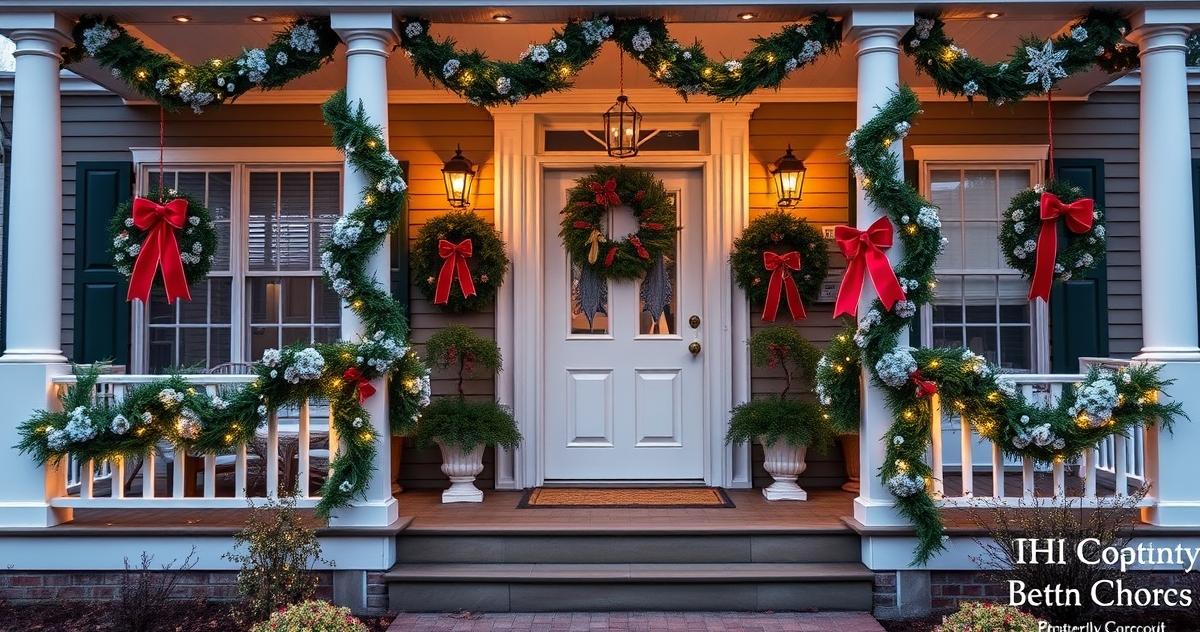
Garlands on colonial homes require a restrained approach that respects the architecture's inherent dignity. The front entrance presents the primary opportunity — draped around the door frame or wrapped along porch railings with mathematical precision. Each swag should mirror the others, creating the balanced symmetry that defines colonial design.
Window boxes, where present, provide natural platforms for garland installation. The key is maintaining consistent spacing and proportion. On a true colonial, garlands should never overwhelm the clean lines or obstruct the beautiful window proportions that make these homes so visually appealing.
Professional installers understand that colonial homes often feature multiple chimneys — another opportunity for subtle garland accents that enhance rather than compete with the architecture. The garland becomes part of the home's geometry, not an addition to it.
HOA Guidelines and Historic District Compliance
Many of Connecticut's most beautiful colonial homes exist within historic districts or homeowners associations with specific decoration guidelines. Towns like Essex, Chester, and Old Lyme have established protocols that protect the visual integrity of their historic neighborhoods.
Common restrictions include:
- Prohibition of animated or flashing lights
- Requirements for warm white color temperatures only
- Restrictions on installation dates and removal deadlines
- Guidelines for appropriate mounting methods on historic materials
- Limitations on the number and size of decorative elements
Professional lighting companies maintain current knowledge of local regulations and work directly with HOA boards to ensure compliance. This expertise proves invaluable when planning your colonial home's lighting design, preventing costly mistakes and ensuring neighborhood harmony.
Historic preservation commissions often appreciate lighting designs that enhance architectural features rather than mask them. The goal is celebration of the home's heritage, not competition with it.
LED Efficiency Meets Colonial Charm
Modern LED technology solves many practical challenges that plagued traditional incandescent holiday lighting on colonial homes. LEDs produce minimal heat, reducing fire risk — a crucial consideration for homes with original wood construction and historical materials.
The energy efficiency of LEDs allows for more extensive displays without overwhelming electrical systems that may date to the mid-20th century. A complete colonial home outline using C9 LED bulbs consumes less electricity than a single strand of old incandescent lights, making elaborate displays both practical and economical.
LED longevity means fewer bulb changes during Connecticut's harsh winter weather. Professional installers can create displays that remain consistently beautiful throughout the season, maintaining the dignified appearance that colonial architecture demands.
Color consistency is another LED advantage. Unlike incandescent bulbs, which shift color temperature as they age, LEDs maintain true warm white throughout their operational life, ensuring the display looks intentional and professional from installation through removal.
Professional Installation Considerations
Colonial homes present unique installation challenges that require professional expertise. Original materials may be irreplaceable — damaged clapboard siding or disturbed mortar joints can compromise both the home's value and historical integrity.
Professional installers use specialized attachment methods that protect historical surfaces. This might include custom clips designed for specific siding profiles, temporary mounting systems that leave no permanent marks, or weight distribution techniques that prevent stress on aged materials.
The steep roof pitches common on colonial homes require safety equipment and experience that homeowner installations simply cannot match. Professional teams have the training and insurance necessary to work safely on these challenging rooflines while achieving the precise placement that makes the difference between amateur and professional results.
Frequently Asked Questions
Can LED C9 bulbs damage historic colonial home materials?
Properly installed LED C9 bulbs pose minimal risk to historic materials. LEDs produce virtually no heat compared to incandescent bulbs, eliminating thermal expansion and contraction that can stress aged wood and masonry. Professional installers use mounting methods specifically designed for historical surfaces, ensuring protection of irreplaceable materials while creating beautiful displays.
What's the best way to light colonial dormers without overwhelming the roofline?
Colonial dormers should be outlined with the same warm white C9 bulbs used on the main roofline, maintaining consistent spacing and color temperature. The key is treating dormers as architectural extensions rather than separate elements. Professional designers ensure dormer lighting integrates seamlessly with the main display, preserving the home's balanced proportions.
Are there specific HOA restrictions for colonial homes in Connecticut historic districts?
Many Connecticut historic districts have specific guidelines for holiday lighting on colonial homes. Common restrictions include warm white lights only, prohibition of animated displays, specific installation and removal dates, and requirements for professional installation to protect historic materials. It's essential to check with your local historic commission and HOA before planning your display.
How do I choose between warm white and cool white LEDs for my colonial home?
For most Connecticut colonial homes, warm white LEDs (2700K-3000K) provide the best complement to traditional architecture and natural materials. Warm white creates the golden glow reminiscent of historical candlelight and oil lamps, enhancing wood tones and aged brick. Cool white works better on white-painted colonials, particularly in coastal areas, but should be used consistently throughout the entire display.
Can garlands be safely installed on original colonial window shutters?
Original colonial shutters require special care during garland installation. Professional installers use temporary mounting systems that distribute weight evenly and avoid drilling into historic wood. The garlands should complement, not hide, the shutter's proportions and hardware. Many historic homes benefit from garland placement around the window frame rather than directly on the shutters themselves.
Connecticut's colonial homes represent living history, deserving lighting treatments that honor their architectural significance while embracing modern efficiency and safety. The combination of warm white C9 LED bulbs and thoughtfully placed garlands can transform these historic treasures into breathtaking holiday displays that celebrate both heritage and contemporary innovation. Professional installation ensures that your colonial home's lighting respects the past while illuminating the future.