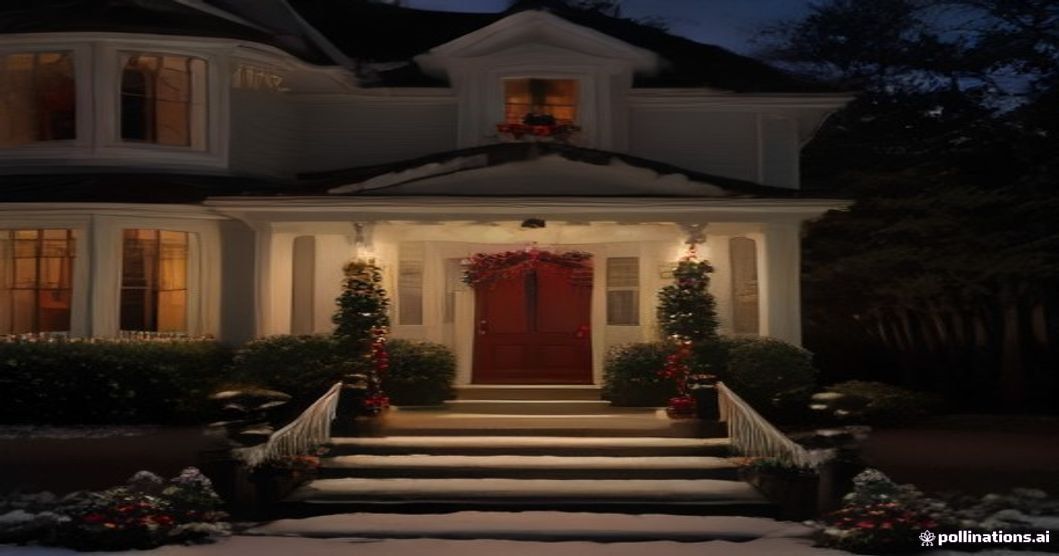

Picture this: You're driving through Greenwich on a December evening, and suddenly you slow down. A perfectly illuminated landscape catches your eye — every boxwood hedge glowing with warm white mini lights, towering rhododendrons wrapped in blue and white displays, and foundation plantings that seem to dance with light. This is the transformative power of professional bush and shrub lighting in Connecticut.
Bush and shrub lighting represents one of the most dramatic yet underutilized aspects of holiday decoration. While homeowners focus on rooflines and trees, the real magic often happens at eye level, where carefully illuminated landscaping creates depth, warmth, and sophistication that elevates any Connecticut property from ordinary to extraordinary.
Understanding Mini Lights: The Foundation of Bush Lighting
Mini lights serve as the backbone of successful bush and shrub illumination. Unlike their larger cousins, C9 bulbs, mini lights offer the flexibility and scale needed for detailed landscape work. These smaller bulbs typically measure 2.5 inches in length and create a delicate, refined appearance that complements rather than overwhelms natural plantings.
The key to professional-looking bush lighting lies in understanding light density. For Connecticut's climate and typical landscape architecture, aim for 100 mini lights per linear foot of dense shrub coverage. This creates the full, luminous effect that transforms ordinary landscaping into holiday magic.
When selecting mini lights for Connecticut properties, LED options prove superior for several reasons. Our New England winters demand lights that can withstand temperature fluctuations, ice storms, and the occasional nor'easter. LED mini lights consume 80% less energy than incandescent alternatives while providing consistent illumination throughout the season.
Net Lights vs. String Lights: Choosing the Right Approach
The choice between net lights and traditional string lights often determines the success of your bush lighting project. Each method offers distinct advantages depending on your Connecticut landscaping needs.
Net lights excel for uniform coverage on rounded or globe-shaped shrubs. These pre-connected light grids stretch over plantings like a luminous blanket, creating even distribution without the time-intensive wrapping required by string lights. For Connecticut properties with extensive boxwood hedging or foundation plantings of similar size, net lights deliver professional results in a fraction of the installation time.
However, net lights have limitations. They work best on shrubs between 3-5 feet in height and width. Larger specimens or irregularly shaped plantings require the flexibility of traditional string lights.
String lights offer unlimited creative potential. Professional installers can follow the natural architecture of each plant, highlighting interesting branch patterns in deciduous shrubs or creating dramatic uplighting effects on taller specimens. String lights also allow for varied density — more concentrated lighting on prominent plantings, lighter coverage on background elements.
For Connecticut's diverse landscape palette, many professional installations combine both approaches. Net lights handle uniform foundation plantings while string lights tackle specimen plants and architectural elements.
Evergreen vs. Deciduous: Strategic Lighting Approaches
Connecticut's mixed landscape of evergreen and deciduous plantings requires different lighting strategies to achieve optimal results throughout the holiday season.
Evergreen shrubs — including boxwood, yew, holly, and rhododendron — maintain their foliage year-round, providing consistent structure for light placement. These plantings benefit from interior lighting techniques where mini lights are woven deep into the foliage. This creates a magical glow-from-within effect that makes the entire shrub appear to radiate light.
For evergreen installations, warm white mini lights prove most effective. The golden glow complements the deep green foliage while creating the cozy, inviting atmosphere Connecticut homeowners desire during long winter months. Blue and white combinations work beautifully on silver-toned evergreens like blue spruce or juniper varieties.
Deciduous shrubs present unique opportunities and challenges. Plants like hydrangea, forsythia, and spirea lose their leaves, revealing interesting branch architecture that becomes the foundation of your lighting design. Without foliage to hide wiring, placement precision becomes crucial.
The key to successful deciduous shrub lighting lies in embracing the bare-branch aesthetic. Rather than attempting to recreate summer fullness, highlight the natural sculpture of the plant. This approach often produces more dramatic results than evergreen lighting, as each branch becomes a pathway for light.
Power Distribution and Technical Considerations
Multiple bush lighting installations require careful power planning to ensure reliable operation throughout Connecticut's challenging winter season. Understanding electrical load calculations and distribution prevents frustrating outages and potential safety hazards.
Most residential circuits can safely handle 1,800 watts of continuous load. With LED mini lights consuming approximately 2.4 watts per string (50-count), you can power roughly 37 strings per standard 15-amp circuit. However, professional installers typically limit loads to 80% of circuit capacity, allowing for approximately 30 strings per circuit to ensure reliable operation.
For extensive landscape lighting projects common in Connecticut's suburban communities, power distribution often requires multiple circuits and strategic outlet placement. Professional installations utilize weatherproof junction boxes and heavy-duty extension cords rated for outdoor use. All connections receive weatherproofing to withstand Connecticut's freeze-thaw cycles.
Timer systems prove essential for bush lighting installations. Programmable timers allow homeowners to automatically illuminate their landscape displays each evening while conserving energy during late-night hours. Many Connecticut homeowners program their systems to operate from dusk until 10 PM, then again from 6-8 AM to welcome family members and visitors.
For properties with extensive landscaping, consider zoned control systems. These allow different sections of the display to operate independently, providing flexibility for special events or energy conservation.
Color Combinations That Complement Connecticut Architecture
Color selection dramatically impacts the overall effectiveness of bush and shrub lighting. Connecticut's architectural heritage — from colonial reproductions to contemporary designs — influences optimal color choices for landscape illumination.
Warm white mini lights represent the safest and most versatile choice for Connecticut properties. This classic color complements virtually every architectural style while creating the welcoming, elegant atmosphere desired by most homeowners. Warm white works particularly well with traditional brick, stone, and cedar siding common throughout the state.
Blue and white combinations create sophisticated winter displays that extend beyond traditional Christmas themes. This color pairing works beautifully with contemporary architecture and provides an elegant solution for homeowners who prefer understated seasonal decoration. Blue and white also complements Connecticut's snowy landscape, creating cohesive displays that feel natural rather than imposed.
For homeowners seeking more dramatic effects, consider graduated color transitions. Start with warm white on foundation plantings, transition to blue and white on mid-level shrubs, then return to warm white on background elements. This technique creates visual depth while maintaining overall cohesion.
Professional Installation Techniques for Long-lasting Results
Successful bush and shrub lighting requires more than simply draping lights over plants. Professional techniques ensure installations that maintain their beauty throughout Connecticut's demanding winter season while protecting valuable landscaping investments.
Proper wire management prevents damage to both lights and plants. Professional installers use discrete anchor points that secure wiring without piercing bark or damaging growing tips. Twist ties provide temporary solutions, but proper installations utilize weather-resistant clips designed specifically for landscape lighting applications.
Plant health considerations prove crucial for long-term success. Heavy snow loads can snap branches burdened with improperly installed lighting. Professional techniques distribute weight evenly while avoiding stress points that could damage plants during winter storms.
Our residential lighting services include detailed plant assessment to ensure installations enhance rather than compromise landscape health. We also coordinate with property maintenance teams to ensure lighting systems accommodate normal pruning and care schedules.
Maintenance and Seasonal Care
Connecticut's harsh winters demand proactive maintenance to keep bush and shrub lighting displays operating at peak performance. Understanding common issues and preventive measures ensures your investment provides reliable beauty throughout the season.
Ice storms represent the greatest threat to landscape lighting systems. While LED mini lights tolerate cold temperatures well, ice accumulation can snap wiring or damage connections. Professional installations include strategic slack in wiring to accommodate ice expansion without creating stress points.
Regular inspection schedules prove essential. Check all connections weekly during active winter weather, and replace failed bulbs promptly to prevent entire strings from failing. Most mini light sets include replacement bulbs, but LED strings typically require entire string replacement when sections fail.
Wind damage often affects bush lighting more severely than roofline installations. Secure all loose wiring promptly, as winter winds can quickly turn minor issues into major problems. Professional installations anticipate wind loads and include appropriate reinforcement.
For comprehensive maintenance support and expert installations that withstand Connecticut weather, explore our custom design services and view examples of successful projects in our installation gallery.
Frequently Asked Questions
How many mini lights do I need for a typical Connecticut foundation planting?
For standard foundation plantings, plan on 100 mini lights per linear foot of dense shrub coverage. A typical Connecticut colonial with 40 feet of foundation plantings would require approximately 4,000 mini lights for professional-looking coverage. However, the exact number depends on plant density, desired brightness level, and specific design goals.
Can bush lighting damage my landscaping plants?
When properly installed, mini lights pose no threat to plant health. Professional installations avoid piercing bark, distribute weight evenly, and use clips designed for landscape applications. However, improper installation techniques — such as wrapping lights too tightly or using inappropriate fasteners — can damage plants or restrict growth.
What's the difference between using net lights and string lights for shrubs?
Net lights provide quick, uniform coverage for regularly shaped shrubs and work well for large areas of similar plantings. String lights offer more flexibility for irregular shapes and allow creative highlighting of plant architecture. Many professional installations use both techniques strategically throughout the landscape.
How do I protect my bush lighting from winter weather in Connecticut?
Choose LED lights rated for outdoor use, ensure all connections are weatherproofed, and allow adequate slack in wiring to accommodate ice expansion. Regular inspection during winter storms helps identify potential issues before they cause system failures. Professional installations include appropriate reinforcement for Connecticut's challenging winter conditions.
When should I remove bush lighting after the holiday season?
Remove lighting systems once temperatures consistently stay above freezing and before spring growth begins. In Connecticut, this typically occurs in late February or early March. Early removal prevents interference with pruning schedules and spring maintenance while the lighting remains easy to handle. Check out our guide on spring cleaning and storage for detailed removal and storage tips.
Transform your Connecticut landscape into a winter masterpiece with professional bush and shrub lighting that showcases your property's natural beauty. Contact Holiday Lights Decor Connecticut at (332) 333-1155 to discuss custom lighting solutions that will make your home the neighborhood showpiece this holiday season.