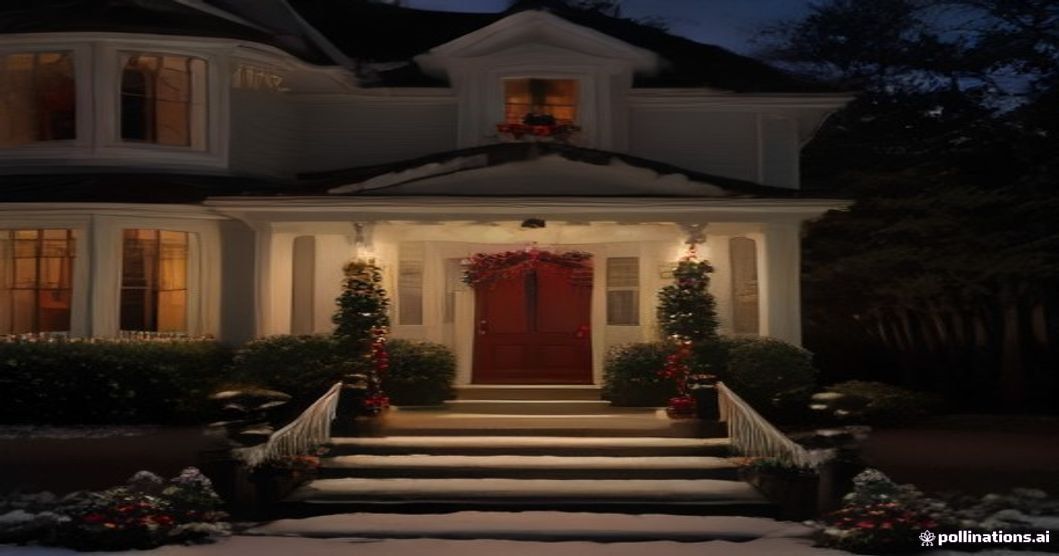

The last warm white C9 bulb has been carefully removed from your colonial's roofline, and the final strand of mini lights is coiled in your hands. But here's where many Connecticut homeowners make a costly mistake — they toss everything into boxes without a proper storage strategy. After nearly a decade of installing and maintaining holiday lighting across the Constitution State, we've seen the aftermath of poor storage: corroded bulb bases, tangled wire nightmares, and garlands that look like they wrestled with a nor'easter.
Connecticut's unique climate challenges — from summer humidity that rivals the tropics to basement moisture that never fully disappears — demand storage solutions that go beyond basic cardboard boxes. The right approach protects your investment and ensures your holiday lights shine bright for years to come.
Understanding Connecticut's Storage Climate Challenges
Connecticut's weather creates the perfect storm for holiday light damage during storage months. Summer humidity levels regularly exceed 70%, while our coastal proximity means moisture finds its way into the most unexpected places. Basements in colonial homes, attics in ranch houses, and even climate-controlled garages face seasonal temperature swings that can wreak havoc on electrical components.
Your warm white C9 LED bulbs might seem indestructible when glowing along the roofline, but stored improperly for eight months, even the highest-quality LEDs can develop issues. Moisture infiltration causes:
- Corrosion on bulb bases and socket connections
- Wire insulation deterioration
- Control box malfunction in programmable strings
- Premature LED failure from condensation damage
The key is creating storage conditions that minimize moisture exposure while maintaining organization. This means going beyond traditional methods and implementing systems designed specifically for Connecticut's climate.
Professional-Grade Moisture Protection Systems
Professional installers don't leave expensive lighting inventory to chance, and neither should homeowners. The foundation of proper storage begins with moisture control, which requires more than silica gel packets tossed in random boxes.
Sealed Container Strategy
Weather-tight storage containers form your first line of defense. Look for containers with rubber gasket seals and tight-fitting lids. Clear plastic allows visual inventory without opening containers, reducing moisture exposure. Size containers appropriately — a 27-quart container perfectly accommodates 300 feet of mini lights with room for desiccant packs.
Desiccant Implementation
Professional-grade desiccant goes beyond drugstore packets. Rechargeable silica gel canisters can be refreshed in your oven, providing season-after-season moisture protection. For Connecticut homeowners, calculate one ounce of desiccant per 100 cubic inches of container space.
Climate Buffer Zones
Create stable microclimates within your storage space. Avoid areas with dramatic temperature swings — that corner of the basement near the hot water heater or the attic space above south-facing rooms. Instead, choose interior closets, finished basement areas, or climate-controlled garage sections where temperature remains relatively stable.
We've helped homeowners transform problematic storage areas by adding simple ventilation fans or dehumidifiers. One Greenwich client saw their holiday light replacement costs drop 80% after implementing proper moisture control in their stone foundation basement.
Organized Storage Systems That Prevent Damage
Organization isn't just about finding lights quickly next December — it's about preventing the physical damage that occurs when lights tangle, compress, or stress during storage months. Professional systems prioritize gentle handling and logical arrangement.
The Reel Method for C9 Bulbs
C9 string lights require special handling due to their larger bulb size and weight. Wrap strings around purpose-built reels or create reels from cardboard circles cut to 12-inch diameter. This prevents the characteristic C9 tangle that can stress sockets and damage wire connections. Remove bulbs from strings before storage, wrapping each string separately and storing bulbs in individual compartments.
Mini Light Ladder Wrapping
The ladder wrap technique prevents mini light tangles while maintaining wire integrity. Cut rectangular cardboard pieces (8x12 inches work well), notch the ends, and wrap lights in figure-eight patterns around the ladder. This method keeps consistent tension without creating tight coils that stress wire connections. Our mini light guide details professional wrapping techniques that Connecticut installers use daily.
Garland Hanging Systems
Garlands suffer most from compression storage. Instead of stuffing pre-lit garlands into boxes, create hanging storage using closet rods or garage ceiling hooks. Drape garlands loosely, supporting every three feet to prevent branch distortion. For space-constrained homes, garland storage bags with internal support frames maintain shape while protecting from dust and moisture.
Component Separation Strategy
Store lights, extension cords, timers, and accessories in separate, labeled containers. This prevents the domino effect where searching for one timer means unpacking everything else. Use clear tackle boxes for small components — replacement bulbs, spare fuses, wire nuts, and clips each get dedicated compartments.
Preventing Wire Damage and Connection Issues
Wire and connection damage accounts for most holiday light failures, yet it's entirely preventable with proper storage techniques. The secret lies in understanding how different wire types respond to storage stress and environmental factors.
Stress Point Management
Identify stress points before storage — anywhere the wire bends sharply or connections join. These areas concentrate physical stress and are most vulnerable to failure. When wrapping lights, avoid creating sharp bends at stress points. Instead, form gentle curves that don't concentrate stress in single locations.
Connection Protection Protocol
Male and female plug connections are particularly vulnerable during storage. Moisture can cause corrosion, while physical stress can loosen internal connections. Wrap each connection point with electrical tape before storage, creating a moisture barrier. For added protection, slip connections into small plastic bags before taping.
Wire Coating Preservation
Modern holiday lights use various wire coatings — from basic PVC to specialized outdoor-rated compounds. Each has different storage requirements. Green-coated wire (common on warm white mini light strings) benefits from loose coiling that doesn't stress the coating. White and clear-coated wires can handle tighter storage but still require gentle handling.
Temperature cycling can make wire coatings brittle. Avoid storage locations with extreme temperature swings — that means not in unheated attics or against exterior walls where daily temperature cycles create ongoing stress.
Professional Inspection Before Storage
Before packing away lights, conduct a professional-style inspection. Check every connection, look for wire nicks or stress marks, and test all strings one final time. Mark any questionable sections with tape for closer inspection next season. This 30-minute investment prevents the frustration of discovering failures during next year's installation rush.
Connecticut-Specific Storage Location Selection
Not all storage locations work equally well in Connecticut homes. Our state's unique architecture — from 18th-century colonials to mid-century ranches — presents specific challenges and opportunities for holiday light storage.
Colonial and Victorian Homes
Older Connecticut homes often feature large attics with excellent storage potential, but temperature control becomes critical. These spaces can reach 140°F in summer and drop below freezing in winter. Create insulated storage zones using foam board insulation around storage areas, or choose interior closets instead.
Stone foundation basements common in pre-war homes stay naturally cool but can be humid. Use mechanical dehumidification and ensure storage containers are elevated off concrete floors using wooden pallets or plastic shelving.
Ranch and Split-Level Homes
Post-war Connecticut homes often have finished basement areas perfect for holiday light storage. These spaces typically maintain more consistent temperatures and humidity levels. The key is avoiding areas near laundry equipment, water heaters, or sump pumps where moisture levels spike periodically.
Garage Storage Considerations
Connecticut garages face unique challenges from road salt, temperature swings, and moisture infiltration. If using garage storage, choose interior walls away from overhead doors, elevate containers off concrete floors, and ensure containers have tight seals. Our spring cleaning guide covers garage preparation techniques that protect stored lighting.
Alternative Storage Solutions
Some Connecticut homeowners invest in small outdoor storage sheds specifically for seasonal items. While this can work, insulation and moisture control become even more critical. Cedar-lined closets provide natural moisture resistance and are excellent for garland storage.
Inventory Management and Replacement Planning
Professional lighting companies maintain detailed inventories not just for organization, but for proactive replacement planning. Homeowners can adopt these same strategies to ensure their displays improve year after year rather than deteriorating.
Digital Inventory Systems
Photograph each container's contents before sealing for storage. Create a simple spreadsheet listing quantities, colors, and conditions. This prevents the common problem of buying duplicate items while missing what you actually need. Include photos of your completed display — they'll prove invaluable for planning next year's installation.
Wear Pattern Analysis
Track which strings consistently fail or cause problems. Often, specific locations create more wear — corner wraps on bushes, connections exposed to weather, or strings that get stepped on during installation. Identifying these patterns lets you upgrade to more durable options in problematic areas.
Staged Replacement Strategy
Rather than replacing everything at once when failures occur, plan systematic upgrades. Replace the most visible elements first — roofline C9s and front yard features — then work toward less prominent areas. This spreads costs over multiple seasons while ensuring your display's key elements always look their best.
Professional installers often recommend keeping a 10% spare inventory — extra bulbs, replacement strings, and backup components. For Connecticut homeowners, this means having backup warm white C9 bulbs for your main roofline display and spare mini light strings for your primary tree wrapping.
Frequently Asked Questions
How long can properly stored holiday lights last in Connecticut's climate?
With proper moisture protection and organized storage, quality LED holiday lights can last 10-15 years in Connecticut's climate. Incandescent bulbs typically last 3-5 seasons. The key factors are moisture control, gentle handling, and avoiding temperature extremes. Professional-grade storage techniques can extend lifespan by 50-75% compared to basic cardboard box storage.
What's the best container size for storing different types of holiday lights?
For C9 string lights, use containers at least 18 inches long to accommodate gentle coiling. A 27-quart container works well for 200-300 feet of mini lights when properly wrapped. Garlands need longer containers or hanging storage — 30-inch garland sections require containers at least 32 inches long. Always leave 20% extra space for desiccant packs and cushioning materials.
Should I store holiday lights in heated or unheated spaces?
Consistent temperature matters more than specific temperature. A cool, consistent basement at 55°F is better than a heated attic that swings from 40°F to 140°F seasonally. Ideal storage maintains 45-75°F with minimal daily variation. Avoid spaces with dramatic temperature swings, which stress wire insulation and electronic components.
How do I prevent mice and pests from damaging stored holiday lights?
Use sealed containers with tight-fitting lids rather than cardboard boxes. Mice can chew through cardboard and often target wire insulation. Add cedar blocks or lavender sachets as natural deterrents. Elevate containers off the floor using shelving or pallets. Inspect storage areas for pest activity before placing lights, and check containers quarterly during storage months.
What items should I replace before storing rather than keeping for next year?
Replace any strings with more than 10% failed bulbs, extension cords with damaged plugs or visible wire wear, and timers that showed inconsistent operation. Disposable items like zip ties and wire nuts should be discarded — their replacement cost is minimal compared to the reliability benefit. Keep detailed notes about problem areas so you can upgrade those specific components before next season.
Proper holiday light storage transforms a dreaded annual chore into a system that protects your investment and simplifies next year's installation. Connecticut homeowners who implement these professional storage strategies consistently report fewer failures, easier setup, and better-looking displays year after year.
At Holiday Lights Decor Connecticut, we've helped homeowners develop storage solutions that work with their specific homes and Connecticut's unique climate challenges. Our residential lighting services include storage consultation and inventory management for clients who want the complete professional experience. Whether you're storing a simple warm white roofline display or an elaborate multi-color landscape lighting system, the right storage approach ensures your holidays shine bright for years to come.
Ready to implement professional storage solutions for your holiday lights? Contact us for personalized advice on storage systems that work with your specific Connecticut home and lighting collection.